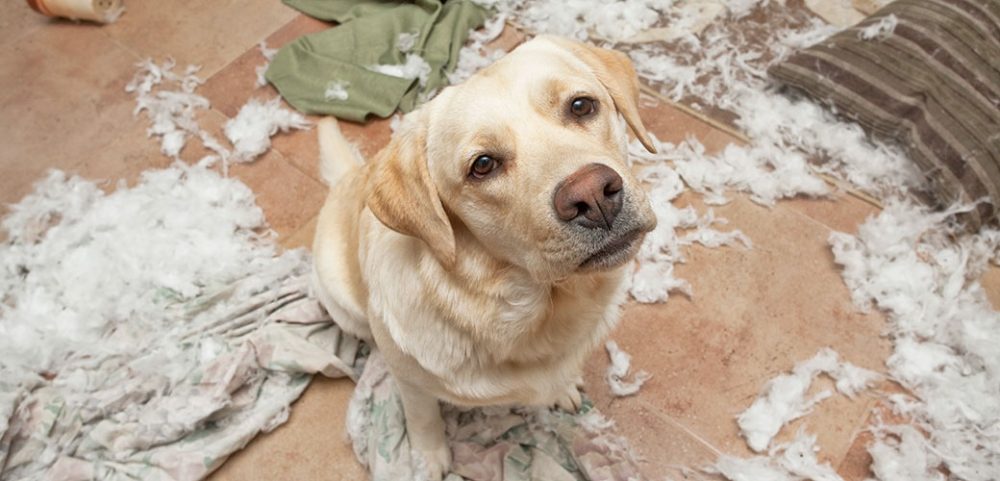
Naturally, dogs are very social animals to the point that they even become your shadow. Unfortunately, being alone does not come easily for them. Separation anxiety in dogs is a behavioural disorder that causes distress when they are separated from their owners.
Signs to look out for when your dog is in distress:
Common:
Vocalisation: Barking, Whining or Howling
Destructive Behaviour: Destructive Chewing, Digging or Scratching at doors and windows
Inappropriate Elimination: Urinating or defecating in the house, even in a house-trained dog.
Excessive excitement upon your return
Clinginess: Being overly attached or dependent on the owner when they are home
Escape attempts: Trying to escape from the house, which can lead to self-injury
Less Common (and easy to miss):
Pacing: Moving back and forth in an obsessive pattern
Physical Symptoms: Excessive drooling, panting and trembling
Self-injury (excessive paw licking or tail biting)
Vomiting
Not eating (meals, treats or engaging with food toys) when you’re out
The recommended maximum hours to leave your dog is 4 hours. For puppies, 2 hours max. If you are planning to leave your dog for a long period of time. I would recommend organising a dog sitter to help your dog not feel alone, and having a distraction from their owners not being in the house. While the dog sitter gives your dog good company. The sitter can also provide dog walks, games with lickly mats or puzzles.
Unable to organise a house sitter on short notice. You can buy from your local pet store home calming diffusers or tablets. Common calming ingredients like probiotics, L-theanine, Melatonin and Alpha-casozepine, which will help to reduce anxiety in your dog.
Preparing your puppy or new dog
It’s a good idea to reinforce positive behaviour for your puppy or dog. When planning to leave them alone at home.
Introducing short periods of absence at a time is a really good start.
Firstly, you need to make an environment where your dog or puppy feels comfortable. This can get into a small room, their crate, or their bed, where they like to lie the most. Place some of their favourite toys, treats and chews to help distract themselves. Having a pre-made Kong (see my Kong article) or lickly matt frozen and ready for being left alone longer.
Once the room is prepared and ready. Allow your dog/puppy to get used to the new area. Making sure they are marking their sense. Remember, when your dog does go into their new room, give them praise and give them treats for the positive reinforcement.
If your dog is struggling a little, you can make it easier for them by staying in this room with them, but you mustn’t interact with them – just sit there quietly. Once they are used to the idea of being in the room with you (but not interacting with you!), you can start closing the room for a few minutes.
Over a period of days, gradually increase the time your dog is left in their toom until you get to a point that they feel relaxed enough for you to wander out of sight completely. You will hear some barking or howling when you are out of sight. That is competing with normal. Only reward your dog when they are calm and settled down. As this is teaching your dog, I get rewarded when I’m quiet, and they come back! Building your dog up to being left in this area for up to half an hour while you are busy elsewhere in the house.
Never punish your dog
When you have been out and your dog does something undesirable, it is important that you do not show any signs of disapproval. Raising your voice or showing your disappointment might scare your dog and make the situation worse.
Your dog will become anxious about what you’ll do when you return the next time you go out, making the behaviour (like chewing and/or barking) worse.
Dogs who’ve been told off may lower their head, put their ear back and put their tails between their legs. Sadly, owners often think that their dog looks guilty when they do this and so tell them off, thinking they know they’ve done wrong.
However, even if you take your dog to the ‘scene of the crime’, they won’t associate your anger with their earlier behaviour. Your dog will simply become more anxious the next time you go out. If you do come home to a mess, it’s essential not to physically punish or shout at your dog.
If you think your dog’s anxiety is getting worse. I would recommend seeking out professional advice from your local veterinarian. As they would be able to refer you to a clinical animal behaviourist. They can help you identify the underlying cause of the problem and develop a plan to help reduce your dog’s anxiety.
 Nicol's Cat & Dog Sitting Services
Leave a comment