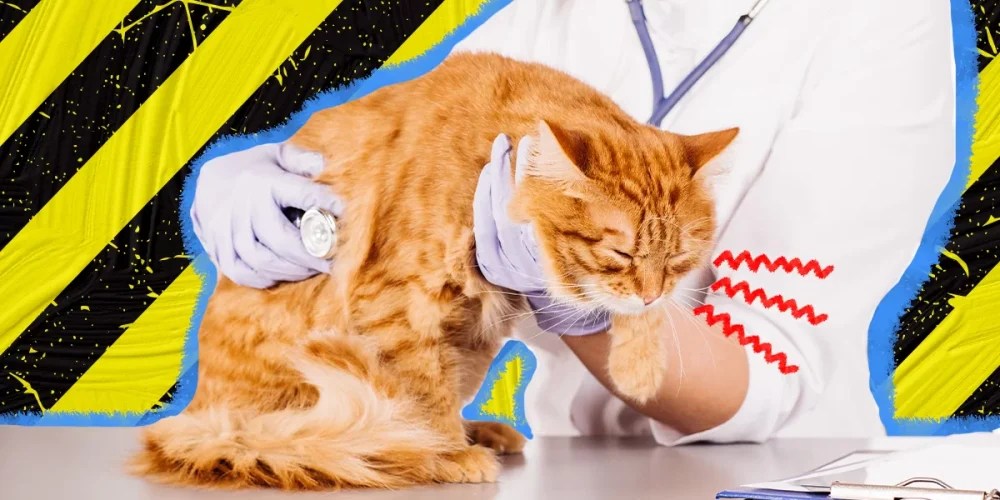
Common signs that your cat has been in contact with toxins:
- Lack of appetite
- Staggering, shaking or other odd behaviour
- Red, raw, swollen or blistering skin, mouth, throat or paws
- Vomiting
- Dribbling
- Collapsing
- Fits/seizures
- Difficulty breathing
Some illnesses, such as kidney disease or severe gastroenteritis, can show similar symptoms to poisoning. If you spot any symptoms of poisoning, contact your vet immediately. Cats are usually very sensible creatures. When it comes to eating things which are not good for them. However, they like to keep themselves scrupulously clean and will groom off anything on their coats of paws which shouldn’t be there.
This is no, they can’t swallow things like antifreeze or decorating products which they have walked through or brushed up against.
Cats also like to nibble at grass outside, and they will often chew at indoor plants or cute flowers.
Common poisons and toxins for cats
Onions, Garlic, Chives
Onions, Garlic, & Chives contain a substance that can be toxic to cats. Even when they’re just used as flavouring in food, they can still cause problems. You should avoid giving your cat scraps from the dinner table to prevent them from eating onions. It’s best to give cat treats that are specially made for pets and treat them in moderation. As these allium vegetables contain chemicals that can cause a low red blood cell count, they can lead to anaemia.
Human Medication
Your cat’s body is very different to yours, so you should never give your cat any drugs meant for people. Painkillers are particularly dangerous, especially paracetamol and ibuprofen. Although vets do sometimes prescribe human medicines for cats, the dosage is very complex, so do not try it at home.
Mice and Rat Poison
Mice and rat poison (rodenticides) can be toxic for your cat, either by coming into contact with the poison directly or eating a mouse that has been poisoned. Even if you don’t have pets at home, you could be putting a cat’s life in danger by using mouse and rat poison. It’s better to find an alternative way to get rid of pests.
Flea or Tick Products
Spot-on treatment, flea collars, powders and shampoos are a common cause of poisoning in cats. This is usually down to using a treatment that was meant for dogs, giving them the wrong dose or using two types of treatment together. It’s always better to buy your products from a vet, but if you do get a shop-bought product, make sure you follow the directions very carefully.
Lilies
Even a dusting of pollen on a cat’s coat is enough to cause a reaction to many types of lily (including Easter, tiger and oriental lilies). To keep your cat safe, avoid having lilies in the house.
While some cats will ignore plants, kittens and indoor cats are more prone to chewing them. So, if you have an indoor cat, you might want to consider avoiding houseplants altogether.
Antifreeze
Even a small amount of antifreeze can be dangerous for cats. If you use antifreeze, make sure your cat is out of the way and store it safely and securely away from prying paws. Don’t forget to mop up any pools of spilt antifreeze so your cat won’t come into contact with it. Antifreeze contains ethylene glycol, which is a severe poisoning hazard.
Decorating Materials
Keeping your cat out of the room when you’re using products like petroleum distillates found in solvents for paints, glass cleaners, varnishes, wood preservatives (e.g. Creosote), and brush cleaners (e.g. White Spirit) can all cause problems for cats. This will cause irritation to the skin and feet, causing inflammation, listers and burning. If the cat then grooms the product off its skin, it can cause severe irritation to its mouth and oesophagus. If your cat does get paint on their fur, don’t try to take it off yourself. It’s best to contact your vet for advice on removing it safely.
Slug and Snail pellets
Slug and snail poison contains Metaldehyde, which is highly toxic to cats. Signs of poisoning include salivation, twitching, unsteadiness and convulsions (fitting). Signs of poisoning develop quickly, so urgent veterinary treatment is required. If you want to get rid of slugs, it’s best to either use a non-toxic form of slug control or cover treated areas with chicken wire so your cat cannot get to them.
Coal/tar-based Products
This includes things like creosote and disinfectants that turn cloudy when mixed with water. Most diluted cleaning products are fine if the directions on the directions on the label are followed properly. But keep them out of the way to be on the safe side, and contact your vet if your cat drinks a significant amount.
What should you do if you think your cat has been poisoned:
- Stay calm
- Remove your cat(s) from the source of poison
- Contact your vet and tell them when, where and how the poisoning occurred if you can. Take a photo of the poisonous item to show your vet.
- Follow the advice from your vet and bring your pet to them quickly and calmly.
- Never attempt to treat or medicate your cat(s) yourself. Some medicines for humans and other animals may be poisonous to your cat.
- Keep your cat(s) away from any other animals to avoid cross-contamination
 Nicol's Cat & Dog Sitting Services
Leave a comment